
Essential Guidance for Installing Walls Like a Pro
Taking on home improvement projects can be rewarding, especially when you’re doing it yourself. One of the more challenging tasks is putting up drywall. It requires precision and patience but can be mastered with some guidance. Whether you are renovating a room or finishing a basement, installing drywall will likely be part of the process. This guide offers valuable tips to help DIY enthusiasts tackle this task with confidence.
Preparation Is Key
Before starting your project, gather all necessary tools and materials. You’ll need a tape measure, utility knife, drywall screws, screw gun, and joint compound. Having everything ready saves time and reduces interruptions during installation. Plan your layout carefully by measuring wall dimensions and marking where each drywall sheet will go. Proper planning helps minimize waste and ensures efficient use of materials.
Cutting Drywall Panels
Cutting panels accurately is crucial in the drywall installation process. Measure twice and cut once to avoid costly mistakes. Use a utility knife to score along the pencil line, then snap the panel over a sharp edge for a clean break. This technique ensures precise cuts that fit snugly against one another, providing a seamless finish.
Installing Drywall Panels
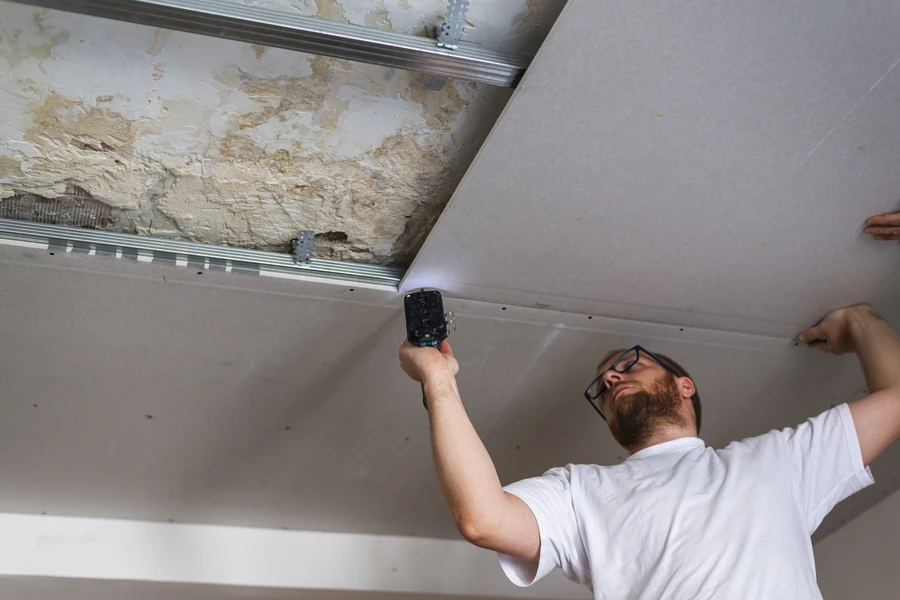
When hanging panels, start at the top and work your way down. Align each panel with the ceiling and secure it using drywall screws spaced 12 inches apart. Make sure screws are slightly recessed below the surface without breaking through the paper layer, as this prevents unnecessary damage to the panels.
Taping and Mudding Joints
Once panels are secured, it’s time to tape and mud joints. Apply joint compound over seams with a taping knife, then place drywall tape on top. Smooth out any air bubbles and cover the tape with another layer of compound. Let it dry completely before applying additional coats until the joint is flush with the wall.
Sanding for a Smooth Finish
After the compound has dried, sand the surface to create an even finish. Use fine-grit sandpaper to smooth rough edges and remove any excess compound. It’s essential to wear a mask during this step to protect yourself from dust particles, ensuring both safety and quality results.
Painting the Surface
With a smooth surface achieved, you can now paint the walls. Start with a primer to prepare the drywall for paint, followed by your choice of color. A well-painted surface not only enhances aesthetic appeal but also protects the drywall from moisture and damage.
Common Mistakes to Avoid
- Not using enough screws per panel, which can cause sagging or loose panels.
- Over-sanding, which may lead to scratches or uneven surfaces.
- Skipping the priming stage before painting.
The Advantages of DIY Drywall Projects
By tackling a drywall project yourself, you save money on labor costs and gain valuable skills. Additionally, completing such projects provides personal satisfaction and allows customization according to personal preferences. Whether adding a textured finish or choosing unique paint colors, you have complete control over the final result.
Your Next Steps With Professional Support
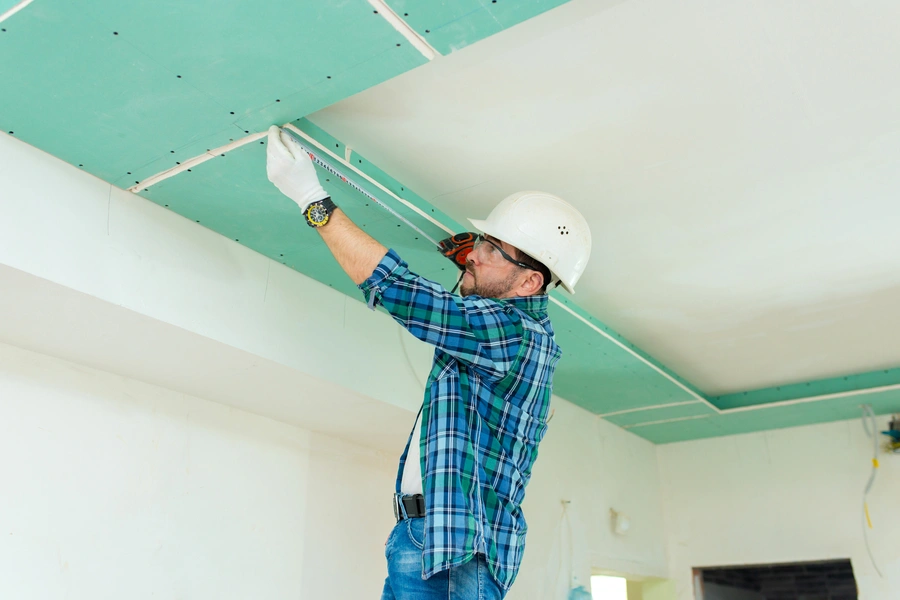
If you’re feeling overwhelmed or simply want professional assistance, consider seeking help from experts in your area. Contact us today at (972) 357-8523 for expert advice on how we can assist further. Located in Rockwall, TX, our dedicated team at Miguel's Renovation and Construction LLC is here to help you achieve your vision efficiently and effectively.